
Your Pinterest
board is a clue,
not a brief
We look beyond what you saved to understand why you saved it — then translate that feeling into a home that belongs to you.
5 min readPinterest is useful.
Very useful, actually.
It gives us a glimpse into the spaces, colours, materials and moods that naturally catch your attention — even when you might not know how to describe them yet.
But a Pinterest board isn’t a design brief. And the goal of your renovation shouldn’t be to recreate everything you’ve saved.
The more useful question is:
What made you
save this?
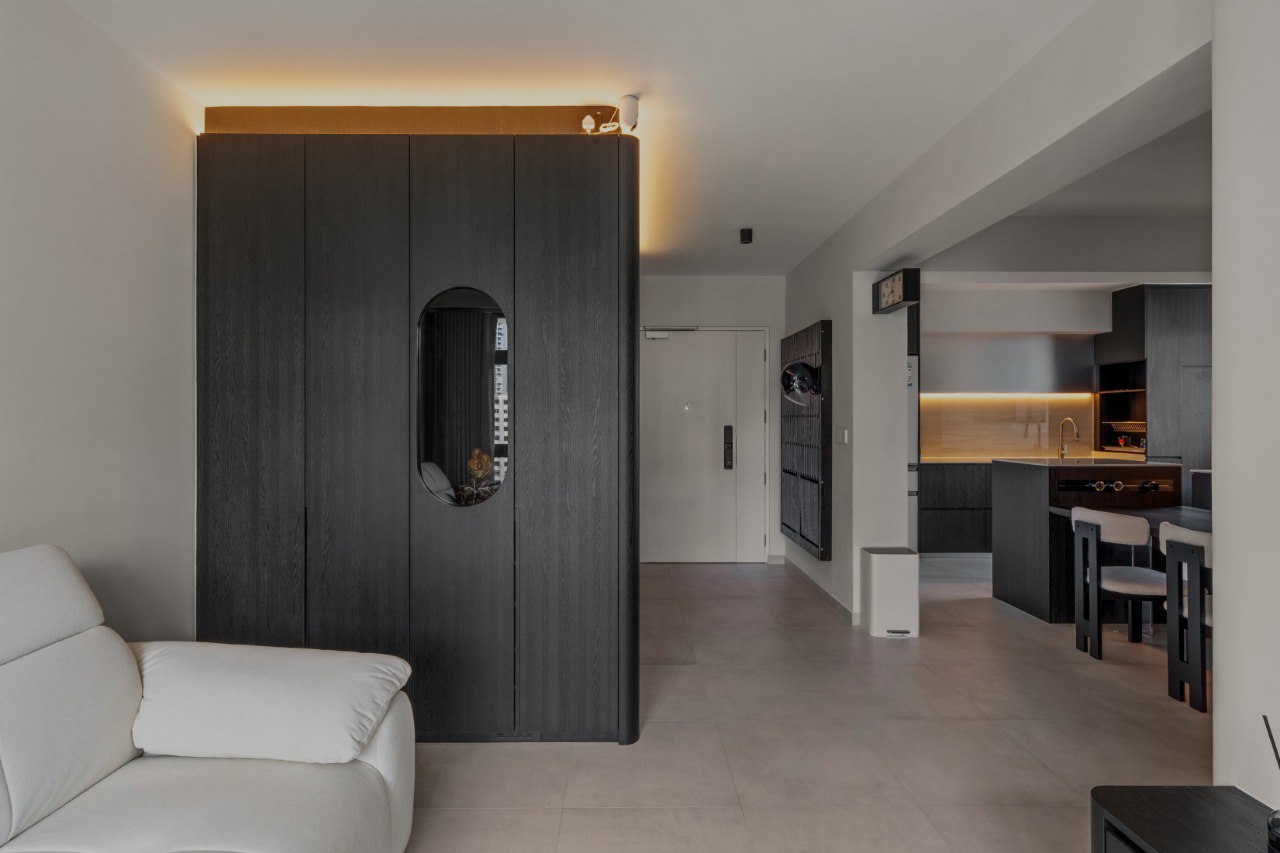
- Light
- Contrast
- Space
- Material
- Mood
This is the part
we’re actually looking for.
Look past the room
Look past
the room.
When someone shows us a reference image, we’re rarely looking only at the furniture or the style of the room.
We’re looking for the smaller clues.
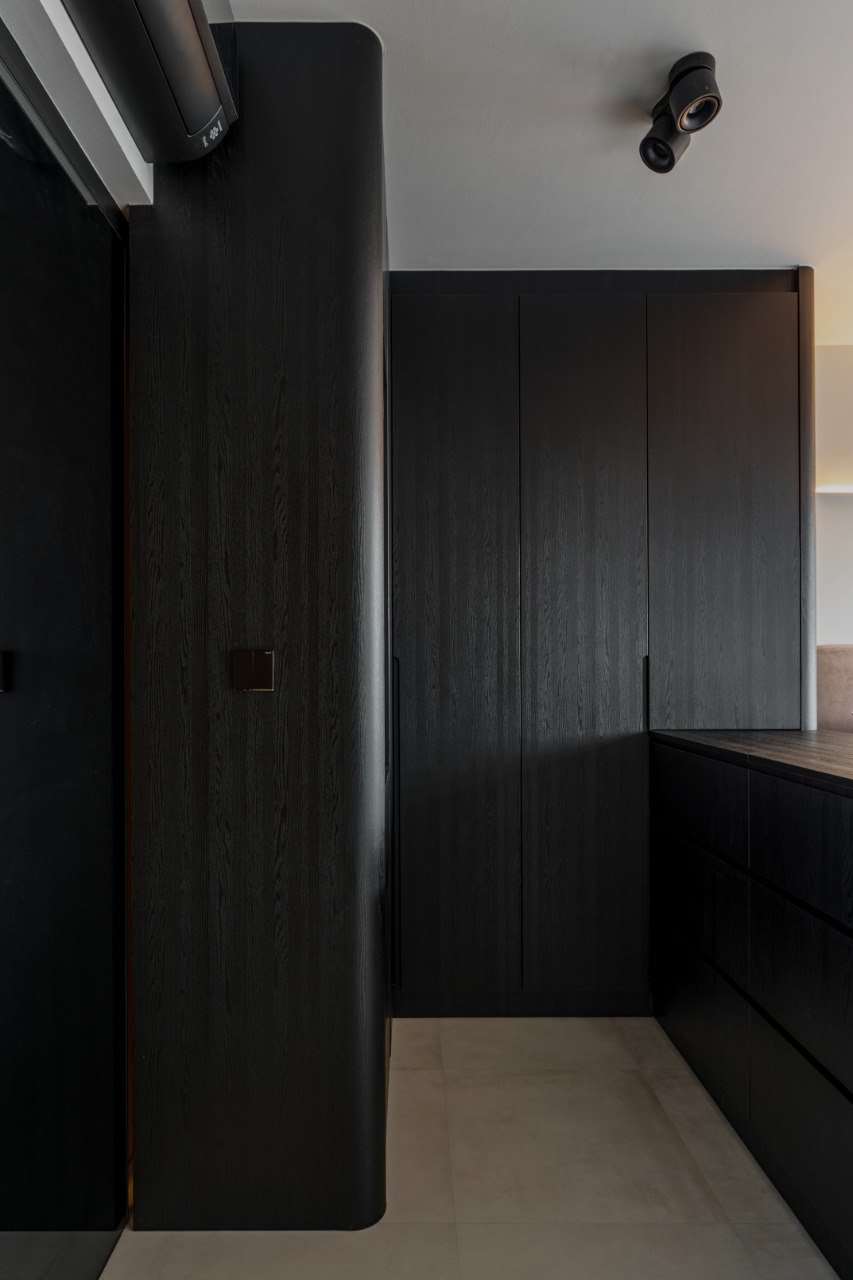
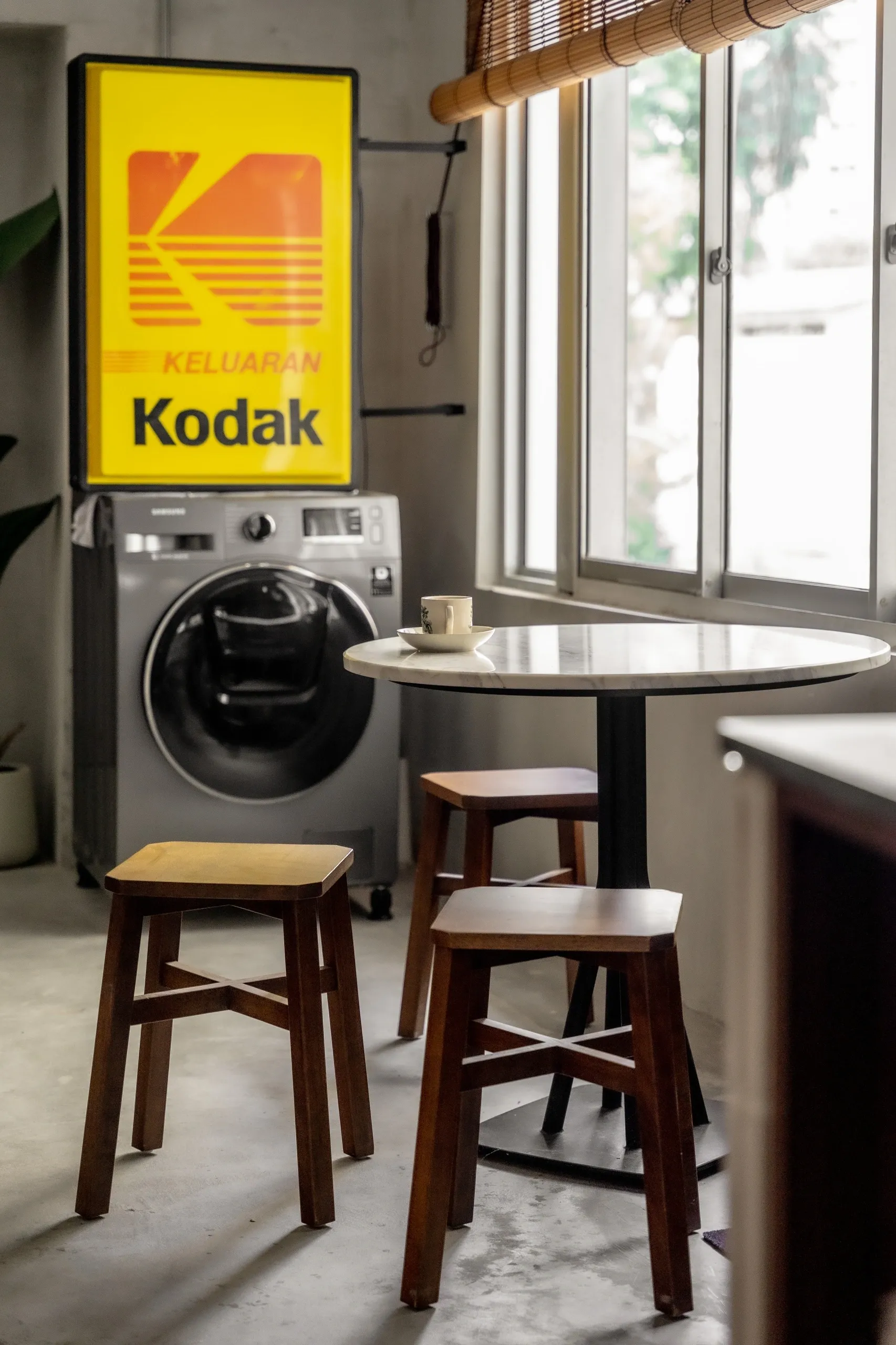
Maybe it’s the colour balance. The way warm timber sits against a cooler grey. Maybe it’s the soft, indirect lighting, the amount of openness, or the proportion of empty space.
Perhaps it’s the contrast between materials, the softness of the room, the symmetry — or the lack of it. The furniture placement. The way different finishes meet. Even the overall mood.
These are often more useful than being told: “I want this exact design.” What you’re responding to might not be the marble wall or that particular sofa. It might simply be how calm the entire space feels.
The image is the reference.
The feeling is the clue.
What do you actually like?



Reference images are often staged
Beautiful,
for the photograph.
Pinterest interiors are often styled, photographed and edited. That beautiful open shelf may contain six perfectly chosen objects for the photograph.
Your version may need to hold the router, chargers, paperwork, tissues, keys, remote controls and everything else that actually exists in daily life.
Both can still be beautiful. But they solve very different problems.
A beautiful reference still has to survive your home
A beautiful reference
still has to survive
your home.
This is where copying an image exactly starts becoming problematic. That room online wasn’t designed around your home.
It has its own floor plan, ceiling height, windows, natural light, dimensions, climate, budget and owner.
Your home has another set of circumstances entirely.
Reference
- Beautiful composition
- Perfect daylight
- Open shelving
- Minimal furniture
- Hidden services
- Ideal proportions
Your home
- Actual dimensions
- Existing plumbing
- Electrical points
- Storage needs
- Family habits
- Maintenance
- Budget
- Site constraints
Function still matters
What the photograph
doesn’t need to solve.
A reference is only one frame. Your home has to keep working after the photograph is taken.
- 01
A kitchen configuration may look beautiful but make little sense once existing plumbing is considered.
- 02
A floating cabinet may require electrical planning that wasn’t visible in the photograph.
- 03
A perfectly clean storage wall may not work for someone with significantly more belongings.
- 04
A material may suit a low-use apartment but be difficult to maintain in a heavily used home.
- 05
A layout may simply not fit the actual room dimensions.
“This looks good in the reference.”
doesn’t always mean“We should do this in your home.”
That isn’t the designer rejecting the idea. It’s the designer asking what attracted you to it in the first place.
The invisible parts
still matter.
Pinterest naturally shows us the visible result. It rarely shows us everything underneath it.
What you see.
How it works.
A home that photographs beautifully for five minutes but irritates you every morning isn’t particularly well designed.
Twenty references don’t mean twenty styles
Twenty references
don’t mean
twenty styles.
Sometimes clients worry because their reference board looks completely inconsistent.
One image is dark and dramatic. Another is soft and neutral. Another uses stainless steel. The next has timber everywhere. Then suddenly there’s a colourful bathroom.
That’s okay.
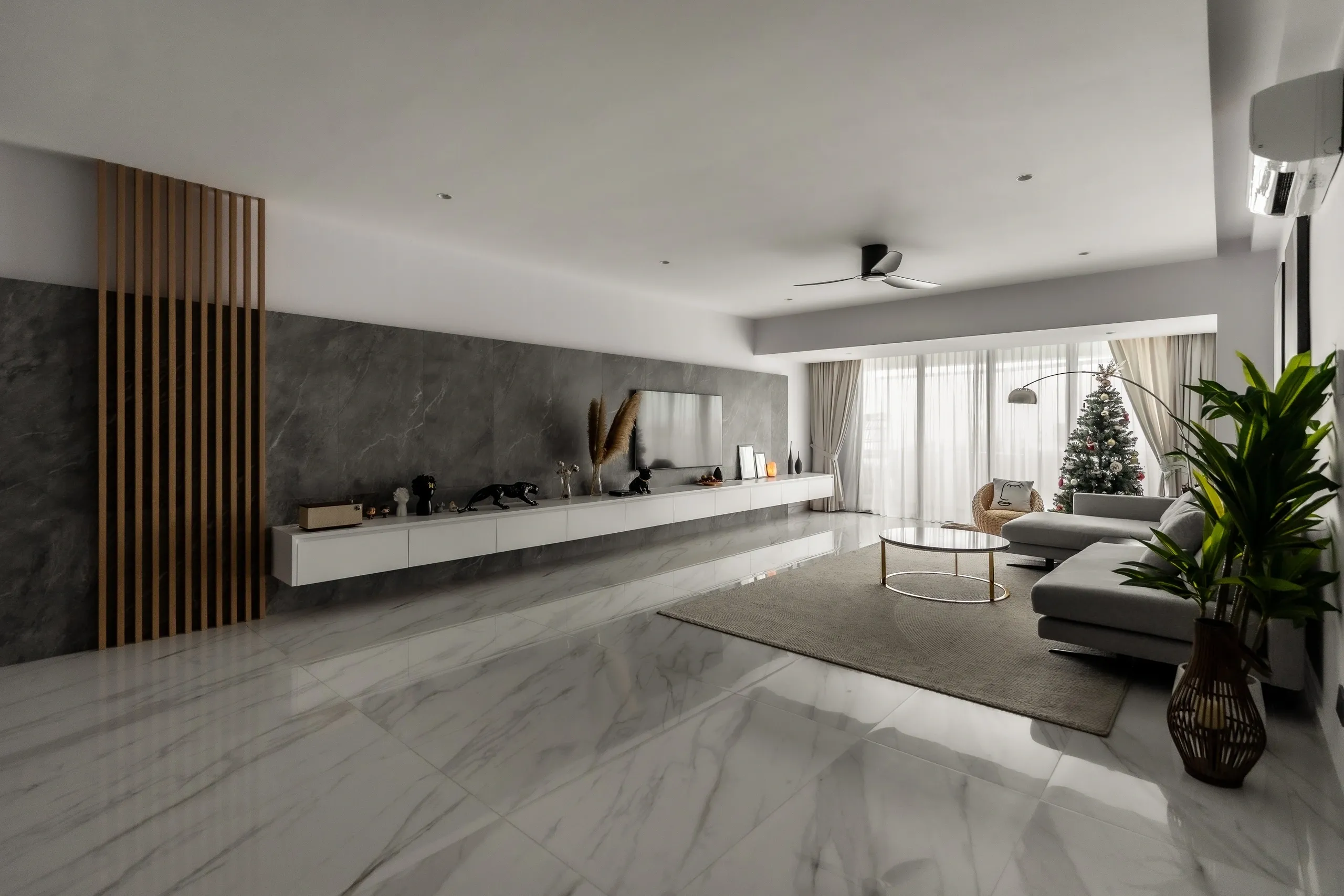
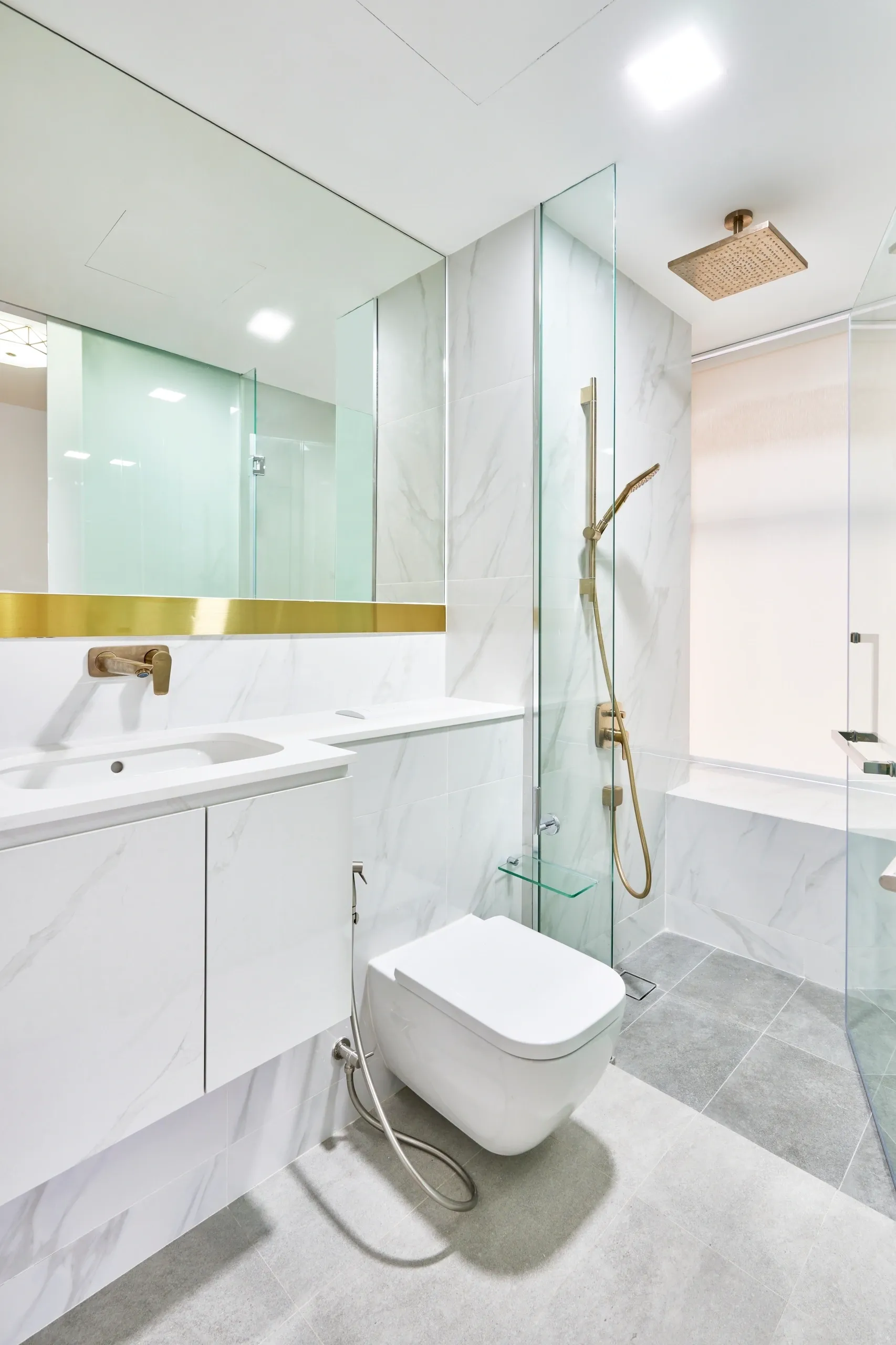
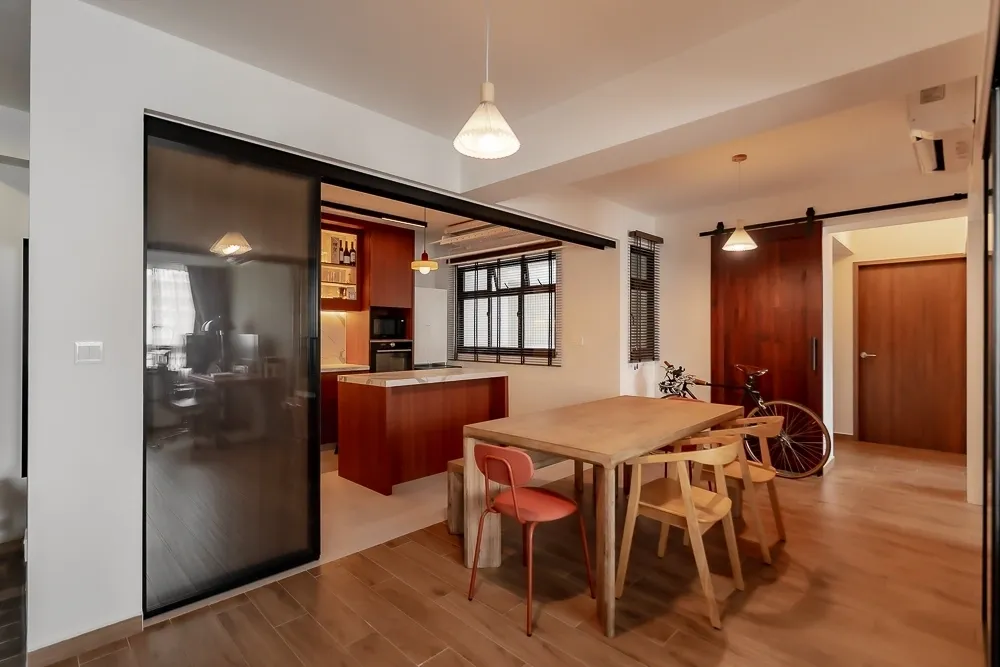
The common thread
01Warm lighting
02Strong material contrast
03Clean furniture lines
04Less visual clutter
05Natural finishes
06One unexpected element
We’re not looking
for one style name.
We’re looking for a pattern.
Do not build a home like a collage
the cabinet from Image 01
the floor from Image 04
the sofa from Image 09
the wall from Image 16
Instead, we extract the essence of what you consistently respond to.
References
↓Essence
↓- Your floor plan
- Your habits
- Your storage
- Your budget
- Your routine
- Your aesthetic
Your home
References should
start the conversation,
not finish the design.
You don’t need to curate the perfect Pinterest board before meeting your designer.
Bring two references. Bring twenty. Bring images that contradict each other.
You can even bring something and say:
“I don’t know what I like about this.
I just like it.”
That’s already useful information.
That’s useful too.
Our job is to figure out why.
A reference tells us
what caught your eye.
Your lifestyle tells us
what belongs in your home.
Design is what
connects the two.
Have references already?
Bring us what you saved.
Send us your floor plan and the images you keep coming back to. You don’t need to explain everything perfectly. We’ll help you understand what connects them — and how that can become a home that works for you.
Start with your floor plan ↗